by Yngvar Steinholt (guest post)
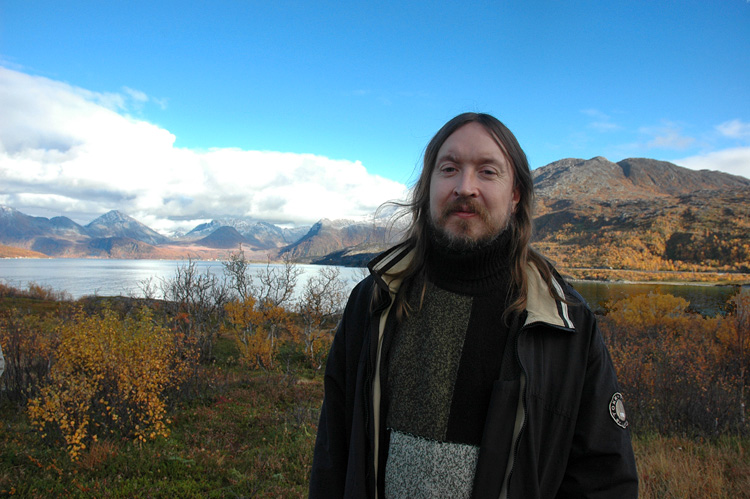
Igor "Egor" Fëdorovich Letov
10. September 1964 -- 19. February 2008
10. September 1964 -- 19. February 2008
On the morning of the February 19th, after nearly 25 years of intense and ever-controversial songwriting and performances, Egor Letov died at sleep in his Omsk apartment from a heart failure, aged 43.
 Grazhdanskaia Oborona, Letov's main and most long-standing band, were just starting to plan their 25th anniversary tour. Letov started his musical career by co-founding the punk-band Posev in 1982. It soon turned into GO (or GrOb, as it is often abbreviated), and during the 1980s and 1990s Letov and the band built their names by releasing a steady flow of stunning tape-albums. GO had at certain points in the 80s a "totalitarian" line-up, consisting of only Letov himself playing all instruments. Over the years, however, a great number of talented musicians contributed to the band's characteristic sound and spectacular stage performances.
Letov's lyrics are provocative and rough and complimentary to a cruel and absurd world. At times the songs rage with crude punk anarchy, at other times they balance finely between cynicism, melancholy and tristesse, but always with a peculiar empowering energy. No other voice in punk can make the human spine contract and shudder the way Letov's does, neither has any other succeeded in creating such a strictly musically Russian form of punk (or rock for that matter), though it might do it more justice to call it Siberian.
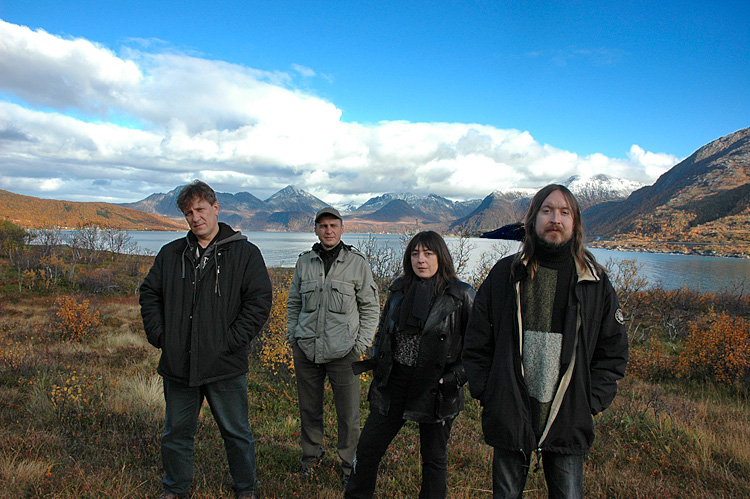
 While Letov's other projects (Egor i Opizdenevshie, Kommunizm) were either integrated into GO or left behind, he continued to work with, and develop GO in new directions. In September 2007 the band visited Tromsø and gave a most memorable concert - perhaps the most enduring and energetic in the musical history of our tiny university town. They also had time for a long excursion to the rocky Northern Norwegian coast, and to catch a concert with the band Adjagas. After GO's gig on the next day, Lawra Somby, Adjagas' lead singer came backstage and did the wolf-joik for Egor and Natalia. Loose plans of a joint concert were being considered.
Not even 20 gigs and five months later it has all come to an end. The Godfather and true Master of Russian punk and Siberian psychedelic folk has left the building.
Russia has become a duller place.
 Grazhdanskaia Oborona, Letov's main and most long-standing band, were just starting to plan their 25th anniversary tour. Letov started his musical career by co-founding the punk-band Posev in 1982. It soon turned into GO (or GrOb, as it is often abbreviated), and during the 1980s and 1990s Letov and the band built their names by releasing a steady flow of stunning tape-albums. GO had at certain points in the 80s a "totalitarian" line-up, consisting of only Letov himself playing all instruments. Over the years, however, a great number of talented musicians contributed to the band's characteristic sound and spectacular stage performances.
Letov's lyrics are provocative and rough and complimentary to a cruel and absurd world. At times the songs rage with crude punk anarchy, at other times they balance finely between cynicism, melancholy and tristesse, but always with a peculiar empowering energy. No other voice in punk can make the human spine contract and shudder the way Letov's does, neither has any other succeeded in creating such a strictly musically Russian form of punk (or rock for that matter), though it might do it more justice to call it Siberian.
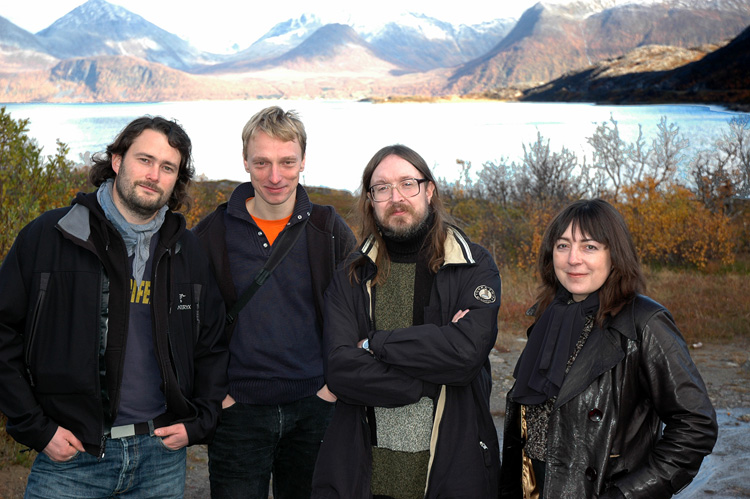 While Letov's other projects (Egor i Opizdenevshie, Kommunizm) were either integrated into GO or left behind, he continued to work with, and develop GO in new directions. In September 2007 the band visited Tromsø and gave a most memorable concert - perhaps the most enduring and energetic in the musical history of our tiny university town. They also had time for a long excursion to the rocky Northern Norwegian coast, and to catch a concert with the band Adjagas. After GO's gig on the next day, Lawra Somby, Adjagas' lead singer came backstage and did the wolf-joik for Egor and Natalia. Loose plans of a joint concert were being considered.
Not even 20 gigs and five months later it has all come to an end. The Godfather and true Master of Russian punk and Siberian psychedelic folk has left the building.
Russia has become a duller place.
20. February 2008
Y. Steinholt
Yngvar Steinholt is an Associate Professor of Russian Culture and Literature at the University of Tromsø and an expert on Soviet and Post-Soviet popular music. The images are from GO's visit to Tromsø 2007 - see gr-oborona.ru/pub/photo/1199027570.html